









Summary of Gold Mining Problems in Indonesia Throughout 2025

Throughout 2025, gold mines in Indonesia faced various problems.--
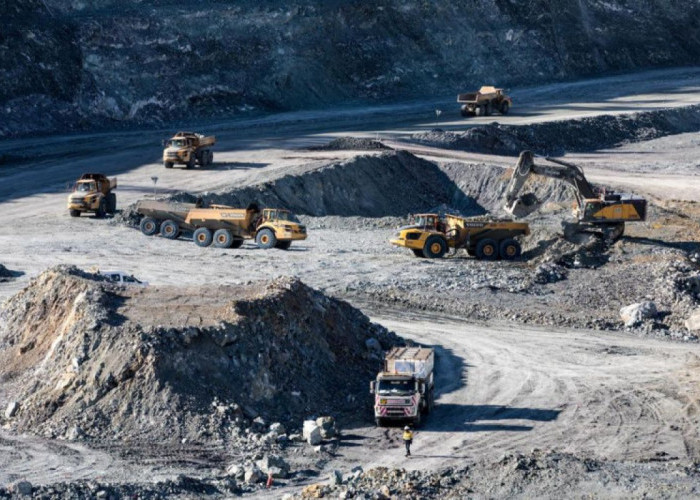
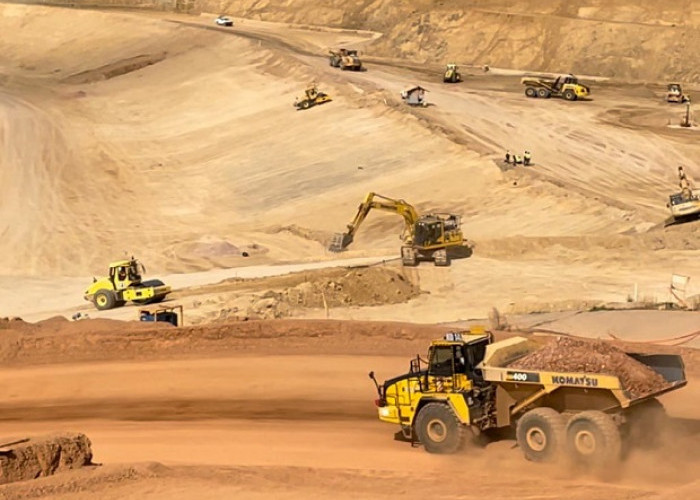
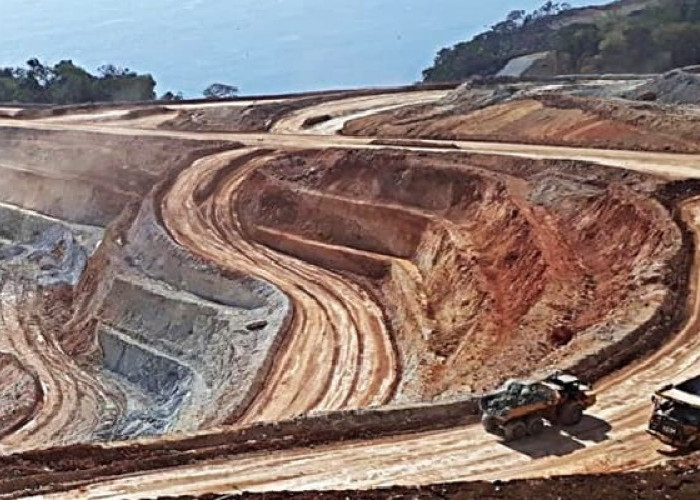
The gold and copper reserves at the Batu Hijau mine, operated by PT Amman Mineral Nusa Tenggara (AMNT) in West Sumbawa, are predicted to be depleted within the next five years, or around 2030.
This business unit of PT Amman Mineral Internasional Tbk. (AMMN) was established on November 18, 1986. The company operates a mine on Sumbawa Island, Nusa Tenggara.
The site is 550 meters above sea level and 81 kilometers from the city of Mataram.
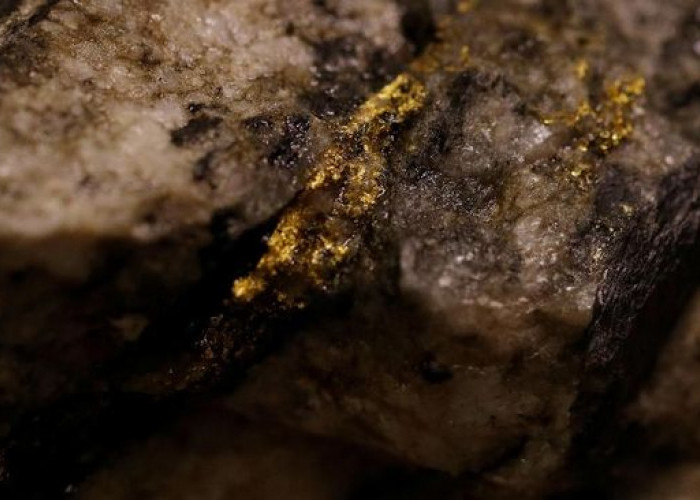
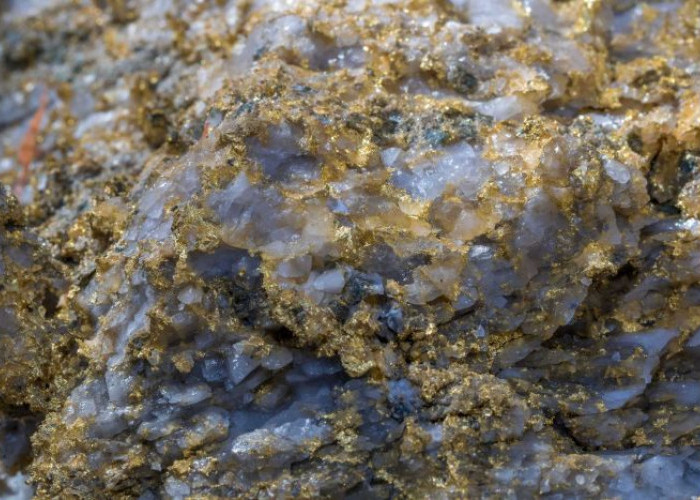
According to its official website, Batu Hijau has reserves of 16.6 billion pounds of copper and 22.5 million ounces of gold. Throughout its history, Amman has consistently broken Batu Hijau's historical records in terms of productivity and efficiency.
In addition to exploration at the Elang Deposit, AMNT also commenced commercial operations in 2020.
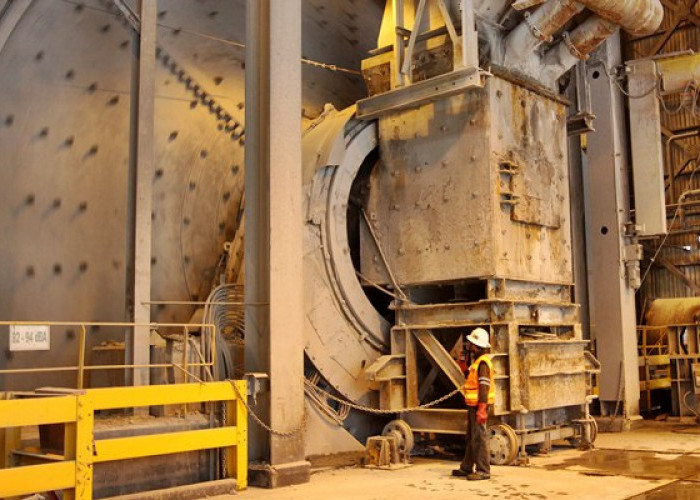
The company's production mines include copper and gold extraction at Batu Hijau, with a processing facility with a capacity of 120,000 tons per day (TPD).
The mine also features milling facilities, a pipeline assembly plant for tailings management, warehousing, a 158-megawatt peak (MWp) coal-fired power plant, and a 26-MWp solar PV plant.
Amman Mineral is also exploring other areas within its Special Mining Business Permit (IUPK) area, including the Elang deposit, which will begin exploration around 2027.
4. Pongkor Mine
Antam's Pongkor underground mine in West Java reportedly has dwindling reserves of only 5 tons.
Meanwhile, Antam's gold mine, which has entered the post-mining phase, is estimated to contain gold resources of around 26 tons.
ANTM's Director of Finance and Risk Management, Arianto Sabtonugroho, stated that his company is currently maintaining gold production from the Pongkor mine at 1 ton per year.
Arianto added that gold production from the Pongkor block reached 400,000 kilograms from January to June 2025. He targets production to reach 1 million tons by the end of this year.
With dwindling gold reserves in the Pongkor block, Antam has recently become reliant on imports to meet domestic gold demand.
According to Antam's calculations, the portion of gold procurement from the import market will reach 78% in the first half of 2025, while domestic supply will account for 22%.
Cek Berita dan Artikel lainnya di Google News
Sumber:
- Share: