






Traces of Dutch Gold Treasure in Sumatra, Indonesia
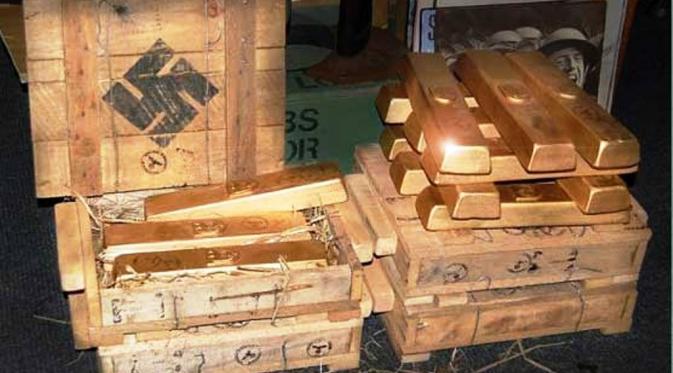
There are traces of Dutch gold heritage in Indonesia.--
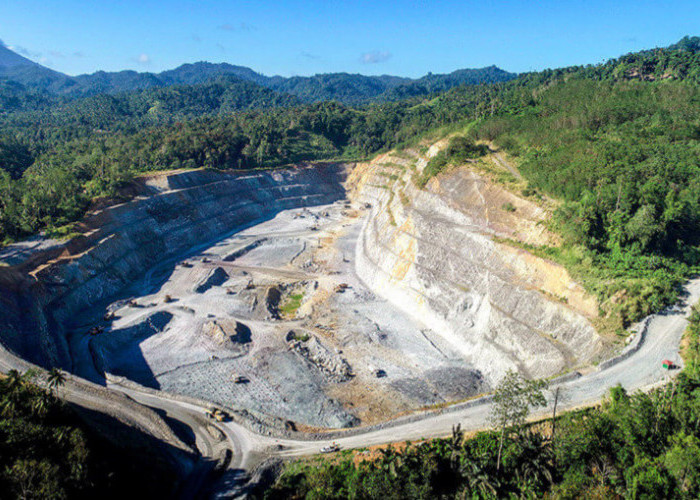
Gold mining in Indonesia has flourished since the Dutch colonial era. In 1850, the Dutch East Indies government established a geological management and investigation agency, the Dienst van het Mijnwezen, in Batavia.
Through this agency, geological and mineral exploration areas expanded throughout the archipelago.
During this period, the first gold mine to operate was Lebong, which is now part of Bengkulu Province. The Rejang Mountains encompassing the Lebong region attracted considerable attention.
The Lebong Donok Mine in Bengkulu in 1899 and the Lebong Tandai Mine in Bengkulu around 1906-1910 were later followed by other mines, such as Simau (1910), Mangani (1913), Salida (1914), Lebong Simpang (1921), and the Sawah Mine (1923).
A study titled "Exploration and Exploitation of Gold Mining in Lebong Donok (Bengkulu) 1897-1942" mentions that the gold ore exploration area in Lebong Donok was conducted by Eugene Kassel.
This figure discovered mining activity from a local resident named Haji Ismael.
BACA JUGA:Gemstone Worth 1 Million Euros Found in Romania
Subsequently, the exploration process was carried out by a private Dutch company called Minjnbouw Maatschappij Redjang Lebong starting in 1897.
The gold mine in Lebong Donok then opened up other gold mining routes, including Lebong Sulit, managed by Mijnbouw Maatschappij Lebong Sulit, and Lebong Simau (Maatschappij Simau). Lebong Simpang and Lebong Sawah were operated by companies owned by the Dutch East Indies government.
During 12 years of exploration, from 1899 to 1911, Mijnbouw Maatschappij Redjang Lebong obtained 33.5 million gross kilograms of precious metals (gold and silver).
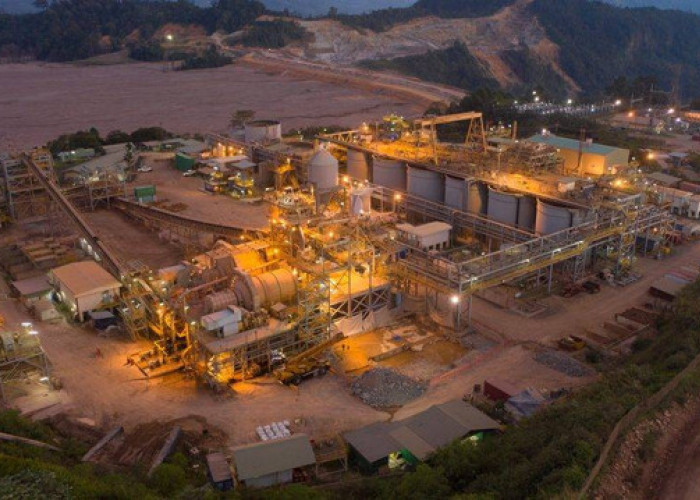
The gold mining and management at Lebong Donok is quite large-scale. This is evident from the equipment used: drilling rigs, electric trains for transporting gold ore, machinery for transporting gold, gold presses, screening equipment, and gold-burning ovens, among others. This equipment was imported from Batavia and Surabaya.
"Most of the chemicals and research equipment were obtained from European companies, including the Morgan Crucible Corporation in Battersea, London, Velter In Cie in France, and the FW Braun Company in Los Angeles, California," wrote Rendi Andriyanto, a researcher in the History Department at Padang State University.
2. North Bengkulu (Lebong Tandai Mine)
Gold and silver exploration has also been found in Lebong Tandai, not only in Lebong Donok but also in Lebong Tandai. This location is also a destination for gold miners from various regions.
A study of the bridge in Lebong Tandai, entitled "Archaeological Study of the Colonial-Relic Bridge in Lebong Tandai Village, Napal Putih District, North Bengkulu Regency," published in the Purbawidya Archaeological Research and Development Journal in December 2022, mentions gold mining activities.
Cek Berita dan Artikel lainnya di Google News
Sumber:
- Share: