







1,300-Year-Old Gold Treasure Discovered in Tomb
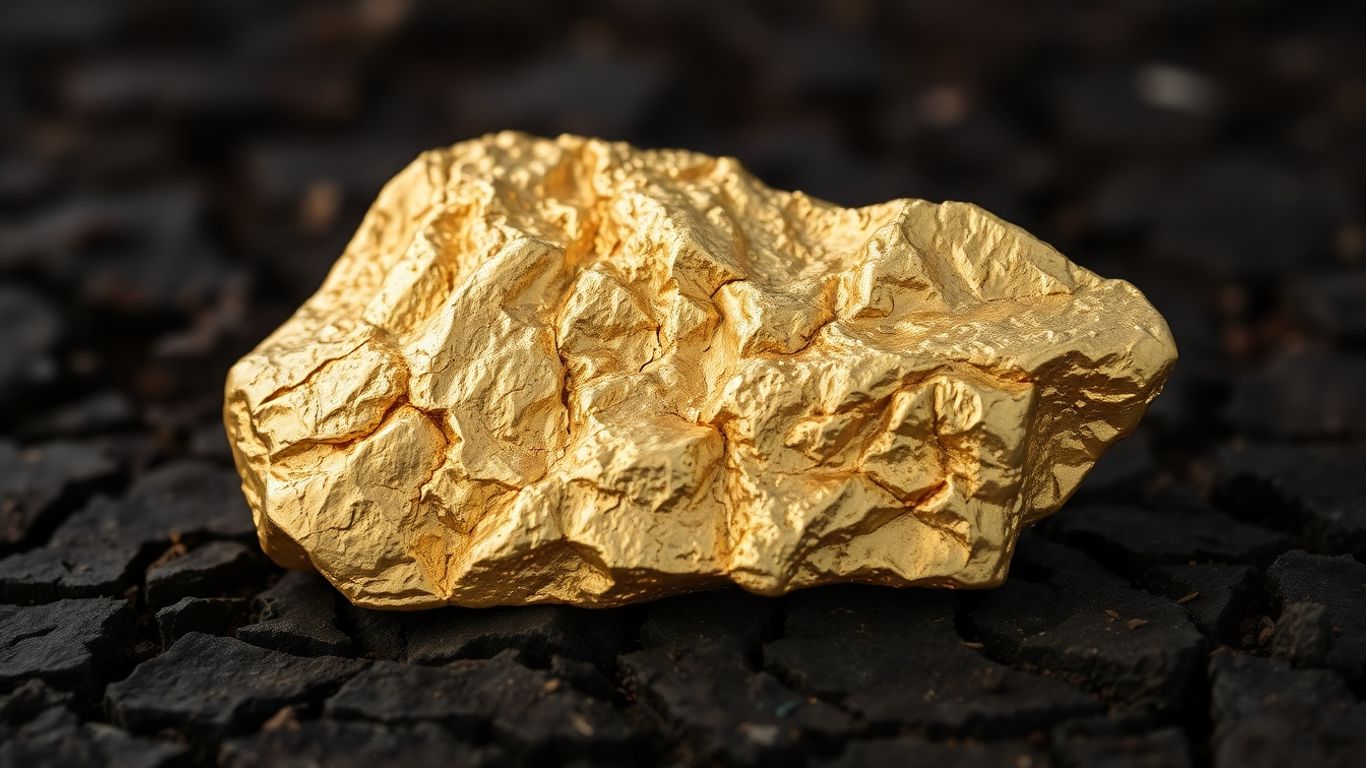
Gold discovery in an old cemetery in Panama.--
INTERNATIONAL, RBTVDISWAY.ID - Archaeologists have discovered a hoard of gold while excavating the tomb of a religious leader believed to have been buried around 1,300 years ago in the El Caño Archaeological Park, a historic site located in the Coclé province of Panama.
This site is known for its frequent discovery of pre-Columbian artifacts, particularly lavish burial chambers.
According to the Panamanian Ministry of Culture, the newly discovered tomb is estimated to have been built around 700 AD.
This tomb is the ninth to be excavated in the El Caño Archaeological Park since excavations began at the site in 2008.
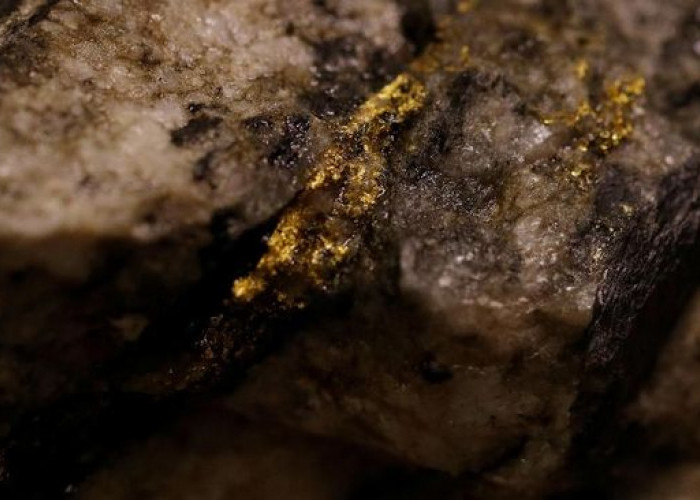
During the excavations, archaeologists discovered a spectacular array of gold jewelry.
Among the finds were five breastplates worn by the deceased, two belts adorned with gold beads, several gold bracelets and necklaces, and two earrings in the shape of human figures.
BACA JUGA:This is the Location of Gold Reserves in South Solok, Indonesia, and the Amount is Vast
In addition to the impressive gold jewelry, archaeologists also discovered several pieces of jewelry made from animal teeth, including earrings made from sperm whale teeth.
Ana María Navas Méndez, an assistant professor of sociology and anthropology at Illinois State University, explained that the "exotic" objects found in the tomb are often interpreted as a strategy by leaders to enhance their prestige in the region.
She explained that ancient chiefs in Latin America tended to establish political and economic relationships with leaders of nearby communities.
This allowed for the exchange of valuables and crafts, increasing their status and influence.
Some of the artifacts found in the tomb are stylistically similar to those produced in the Quimbaya region of Colombia.
This suggests a common pattern between this tomb and the eight previously studied tombs.
The research revealed that the other bodies in the tomb belonged to individuals sacrificed to accompany the deceased in the afterlife, highlighting the complex practices associated with death beliefs and rituals in the region's ancient societies.
Cek Berita dan Artikel lainnya di Google News
Sumber:
- Share: