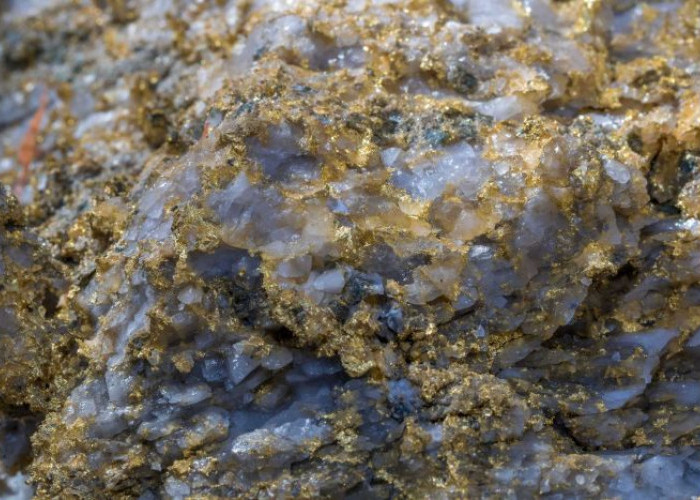







1,300-Year-Old Gold Treasure Discovered in Tomb
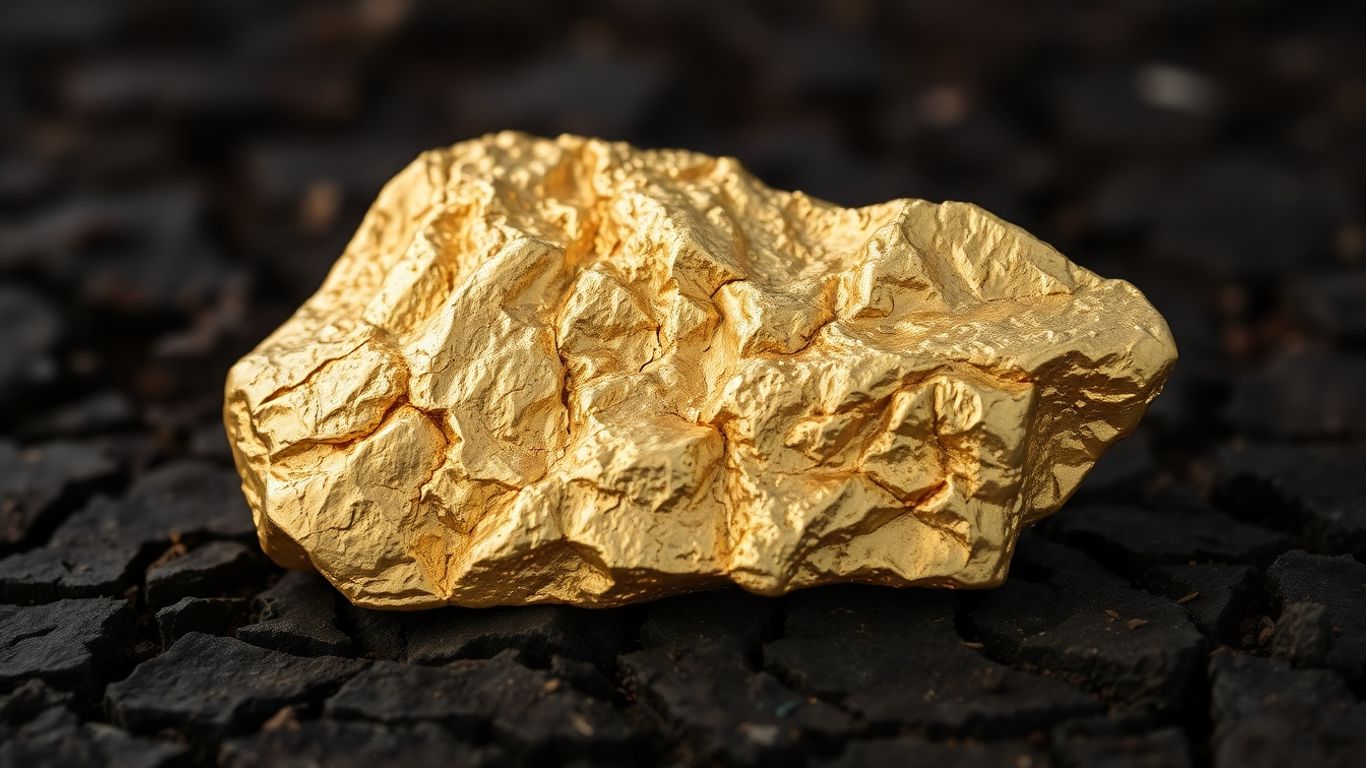
Gold discovery in an old cemetery in Panama.--
El Caño, a renowned archaeological site, is divided into two burial sectors: a high-status sector containing burial chambers containing many bodies, and a low-status sector containing only one body per burial.
BACA JUGA:Gold Potential in West Sumatra, Indonesia, Could Produce 50 Kg per Day
In recent excavations, archaeologists discovered the remains of a man, believed to be a religious leader, buried face down on top of a woman.
However, researchers have not yet been able to determine the exact relationship between the man and woman.
Nicole Smith-Guzmán, curator of archaeology at the Smithsonian Tropical Research Institute in Panama City, explains that while prone burials were common in this period in the region, the position of the man on top of the woman was unusual.
This suggests the possibility of special burial practices or specificities within this burial context.
However, Smith-Guzmán adds that other researchers have previously reported the discovery of human remains more than 1,000 years old buried in a similar position at a nearby site called Sitio Sierra, in the same province as El Caño.
At the time, researchers speculated that the pair were husband and wife, but this theory remains unconfirmed.
"Nevertheless, it is possible that some kind of social relationship existed between the two individuals during life that was important to maintain after death," says Smith-Guzmán, who was not involved in either discovery.
Experts believe that El Caño served as a regional ceremonial center or necropolis (city of the dead) for elite members of society, Smith-Gúzman said.
BACA JUGA:Fantastic, Gold Reserves in North Tapanuli Are Second Largest in Indonesia
There have been two attempts to determine the owners of the various tombs found at the El Caño site. However, each attempt failed to extract DNA from the human remains, likely because the region's hot and humid climate is not ideal for preservation.
"(This discovery) offers new evidence to continue studying the tribes of Panama that can be compared with previous discoveries," said Navas Méndez.
"With this new evidence, archaeologists can ask new questions about interactions between tribes, about the political economy of pre-Columbian societies, about religious aspects, about gender, and so on," she continued.
The discovery of a treasure trove of gold in a 1,300-year-old tomb in Panama by archaeologists provides new insights into the lives and beliefs of ancient peoples in the region.
Cek Berita dan Artikel lainnya di Google News
Sumber:
- Share: